Jaipur’s Diwali shopping is concentrated in three historic bazaars, all located within walking distance of each other inside the UNESCO World Heritage-listed walled city. Each bazaar sells a completely different set of products. Walking into the wrong one for a particular item is easy when every street looks equally festive, so knowing which bazaar carries what saves hours.
What makes Jaipur’s Diwali shopping distinct from Delhi or Mumbai is the setting. The walled city was founded by Sawai Jai Singh II in 1727 as a planned commercial capital. The bazaars were designed as trading zones from the beginning, and they still operate that way. Shopping here happens inside heritage architecture, not despite it.
The Municipal Illumination Competition
Before getting into the products, there is one thing worth understanding about how Jaipur’s old city looks during Diwali.
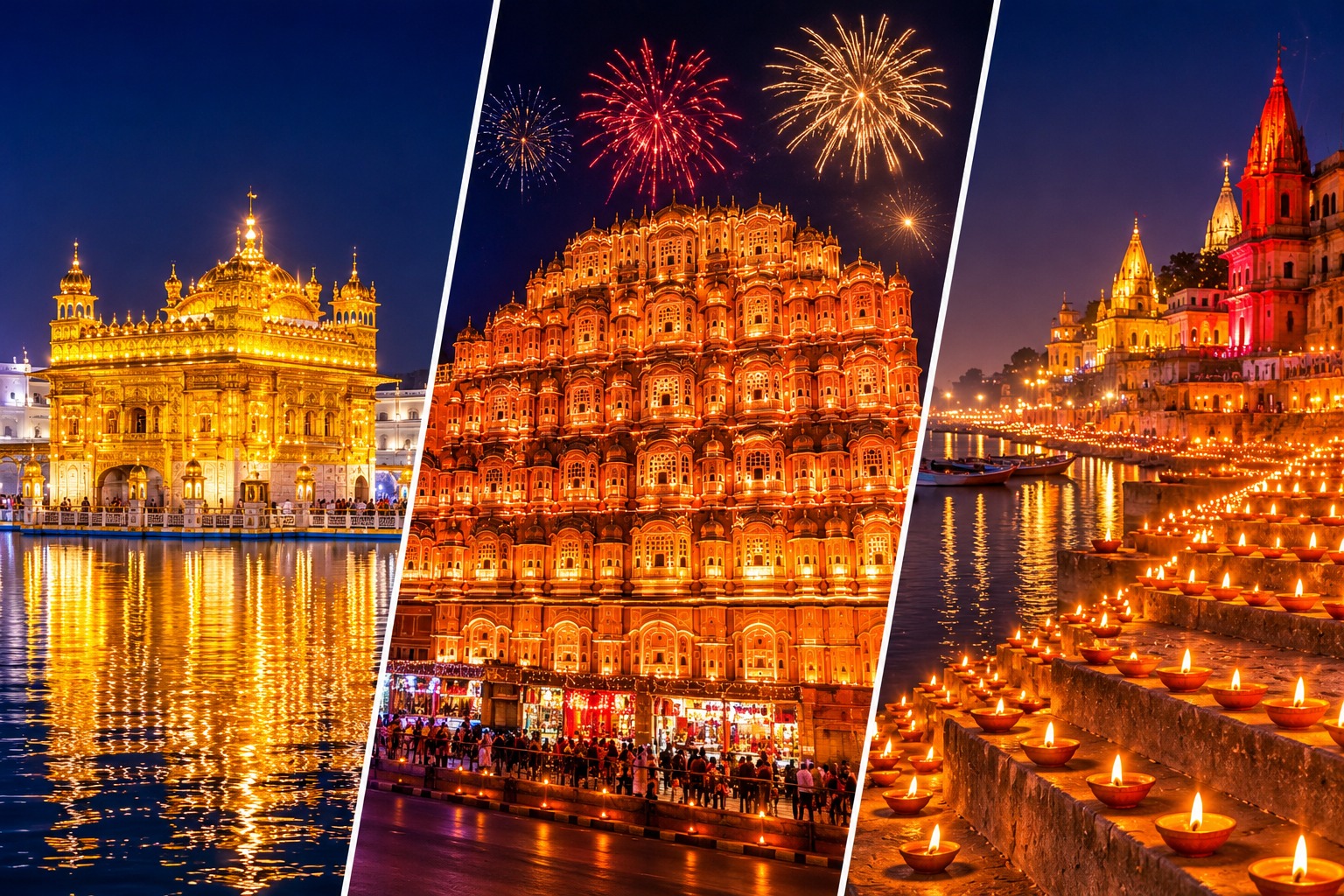
The municipal government runs an official illumination competition between the merchant associations of the four main bazaars: Johari, Bapu, Tripolia and Kishanpole. Each association competes to produce the most decorated, most brilliantly lit stretch of market. The result is that the entire old city between Hawa Mahal and the City Palace transforms into a continuous corridor of light.
This means that shopping during Diwali week in Jaipur is also sightseeing. The two activities happen simultaneously on the same streets.
Johari Bazaar: Jewellery, Gemstones and Dhanteras Gold
Johari Bazaar is Jaipur’s premier jewellery market. The name translates to “jeweller’s market,” and the shops here carry everything from everyday silver pieces to heavy bridal Kundan sets.
What Johari Bazaar Sells
- Gold jewellery: Chains, bangles, earrings, bridal sets. Priced by gold weight plus making charges.
- Kundan and Polki work: Jaipur is the national centre for Kundan production. Earrings from Rs 2,000, chokers from Rs 15,000, bridal sets from Rs 50,000 onwards.
- Meenakari (enamel) jewellery: The coloured enamel work on the reverse of Kundan pieces is a Jaipur speciality. Higher-quality Meenakari shows detailed patterns with no gaps or bubbles.
- Gemstones: Jaipur processes a significant share of the world’s coloured gemstone supply. Emeralds, rubies and sapphires from the cutting industry are available at the source.
- Bandhani textiles and leheriya dupattas: The upper-floor shops along Johari Bazaar carry these traditional Rajasthani fabrics, which are popular Diwali gift items.
Dhanteras at Johari Bazaar
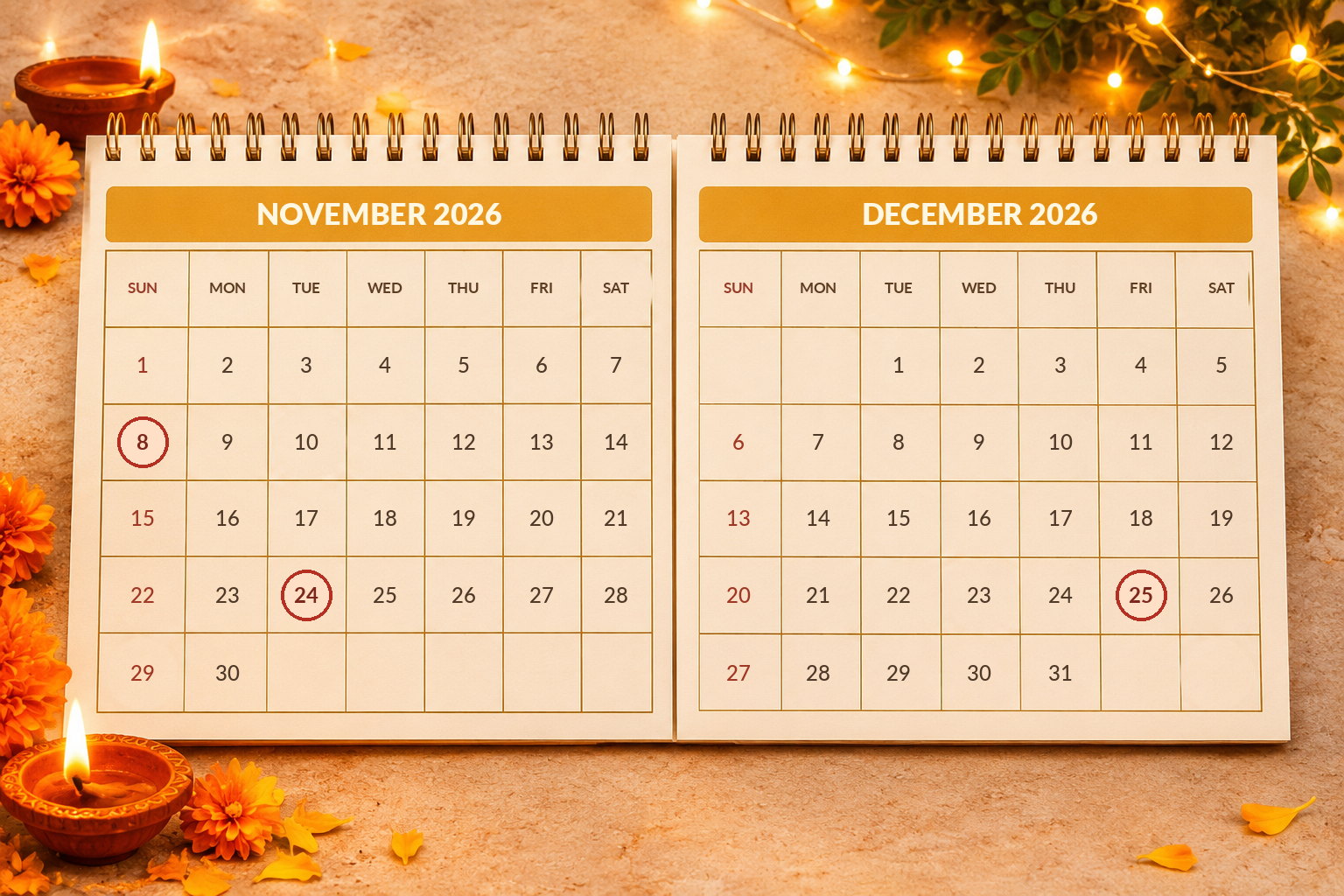
Dhanteras falls on Friday, November 6 in 2026. It is the single busiest jewellery shopping day of the year. Buying gold on Dhanteras is considered auspicious, and Johari Bazaar responds by opening early and staying open late.
The illumination along the bazaar reaches its peak on Dhanteras evening, with each jewellery shop competing to display its stock under the most impressive lighting. If you visit Jaipur during Diwali week, Dhanteras evening in Johari Bazaar is the one experience not to miss.
Bapu Bazaar: Textiles, Mojari and Rajasthani Prints
Bapu Bazaar runs from Sanganeri Gate towards New Gate and is Jaipur’s primary textile market. The product range here is completely different from Johari Bazaar.
What Bapu Bazaar Sells
- Block-printed fabrics: Jaipur’s signature prints on cotton and silk. Bedspreads, dupattas, kurta fabrics and table linen.
- Mojari (Rajasthani embroidered footwear): The stalls near Sanganeri Gate carry rows of mojari in every colour and pattern. Prices start at roughly Rs 200 for basic pairs and go up to Rs 2,000 for heavily embroidered handmade sets.
- Jaipuri quilts (razai): Lightweight cotton quilts with block-printed covers. A popular Diwali and winter gift item.
- Festive kurtas and ethnic wear: Cotton and silk kurtas, dupattas and suit sets for the Diwali wardrobe.
- Cushion covers and home furnishings: Block-printed home textiles that make practical Diwali gifts with a Jaipur identity.
Mojari is one of the most popular gift items from Jaipur during the festive season. A pair carries the Rajasthani craft identity at a price point (Rs 200 to Rs 500 for good pairs) that works for both personal use and gifting.
For more details on the full Bapu Bazaar range beyond Diwali, the Bapu Bazaar Jaipur guide covers timings, tips and the complete product list.
Tripolia Bazaar: Brassware, Lacquerware and Lac Bangles
Tripolia Bazaar is the bazaar most visitors overlook, and it carries the most distinctly Rajasthani Diwali products of the three.
What Tripolia Bazaar Sells
- Brassware: Decorative brass diyas, puja thalis, kalash sets, bell sets and hanging lamps. These are the traditional Rajasthani Diwali items that Johari and Bapu do not stock.
- Lacquerware: Decorative boxes, trays and ornamental items made with the Rajasthani lac technique.
- Lac bangles: Jaipur is the national centre for lac bangle production. The Maniharon Ka Rasta lane off Tripolia Bazaar is where the bangles are made on-site and sold directly. Prices start at Rs 50 per pair for plain sets and go up to Rs 500 for heavily decorated bridal sets.
Why Lac Bangles Are Worth a Separate Visit
The artisans in Maniharon Ka Rasta heat lacquer over a flame, shape it around a metal rod, and embed stones or mirrors by hand. The finished bangle goes from the workshop to the display case within the same hour. You can watch the process and buy the product in the same visit. This production-and-sale-in-one-place setup is similar to what Laad Bazaar in Hyderabad offers, but the Jaipur lac tradition has its own colour palette and embedding techniques.
The Walking Route
A practical walking route through all three bazaars starts at Hawa Mahal and follows this sequence:
- Start at Hawa Mahal (visible from the main road junction).
- Turn into Johari Bazaar for jewellery and gemstones.
- Walk south to Bapu Bazaar for textiles and mojari.
- Return north through Tripolia Bazaar for brassware and lac bangles.
- End near City Palace or Jantar Mantar for the heritage sightseeing.
The entire route covers roughly 2 km on foot. Allow 3 to 4 hours for a shopping-focused walk, or a full day if you combine shopping with heritage site visits.
When to Visit
| Day | What Peaks |
| Dhanteras (Nov 6) | Gold buying at Johari Bazaar. Busiest shopping day of the year. |
| Diwali Eve (Nov 7) | Last-minute decoration and sweet shopping. Tripolia and Bapu see highest footfall. |
| Diwali (Nov 8) | Most shops close by afternoon for puja. Morning shopping only. |
The bazaars generally open by 10:00 AM and run until 8:00 to 9:00 PM during Diwali week, with extended hours on Dhanteras.
How to Reach
Jaipur is about 280 km from Delhi, roughly 5 to 6 hours by bus. Check current schedules on the Jaipur bus booking page. The old city bazaars are all accessible from Hawa Mahal, about 4 km from the main bus stand. Auto-rickshaws from the bus stand take roughly 15 minutes.
Within the bazaar area, walking is the only practical option. The lanes are too narrow for vehicles.
Note: Prices are approximate and may vary based on season, demand, and availability.
Frequently Asked Questions
What is Johari Bazaar famous for during Diwali?
Johari Bazaar is Jaipur’s jewellery market and sees its highest activity on Dhanteras, when buying gold is considered auspicious.
Where can I buy lac bangles in Jaipur?
Maniharon Ka Rasta off Tripolia Bazaar is the production and retail centre for lac bangles, with prices starting at Rs 50 per pair.
What should I buy from Bapu Bazaar for Diwali gifts?
Block-printed textiles, mojari footwear, Jaipuri quilts and home furnishings. Mojari at Rs 200 to Rs 500 is one of the most popular Jaipur gift items.
Is diwali shopping jaipur better than Delhi?
Jaipur concentrates three distinct bazaars within walking distance, each with a different speciality, inside a UNESCO World Heritage walled city.
What is the bazaar illumination competition?
The municipal government runs a competition between merchant associations of Johari, Bapu, Tripolia and Kishanpole bazaars for the best festival lighting.
When is Dhanteras 2026?
Dhanteras falls on Friday, November 6. It is the busiest jewellery and utensil shopping day of the year in Johari Bazaar.
What brassware can I buy from Tripolia Bazaar?
Decorative brass diyas, puja thalis, kalash sets, bell sets and Rajasthani hanging lamps at prices below Delhi retail.
Can I cover all three bazaars in one visit?
The three bazaars are walkable from Hawa Mahal. A focused shopping walk covers all three in 3 to 4 hours.
What are the bazaar timings during Diwali?
Generally 10:00 AM to 8:00 or 9:00 PM during Diwali week, with extended hours on Dhanteras evening.
How do I reach the bazaars from the Jaipur bus stand?
Auto-rickshaw from the main bus stand to Hawa Mahal takes roughly 15 minutes. The bazaars radiate from the Hawa Mahal junction.
You Might Also Like
- Bapu Bazaar Jaipur: Timings, What to Buy, Tips: The detailed Bapu Bazaar guide for textiles, mojari and Rajasthani prints.
- Places to Visit in Jodhpur: The Blue City Guide: Extend the Rajasthan Diwali trip with Mehrangarh Fort and the blue city walk.