Most people plan a Kartik trip to Varanasi around a single evening, then find they have two or three days to fill around it. The month of Kartik holds two riverfront observances in this part of Uttar Pradesh, and the daylight hours between them are when the region beyond the ghats is at its most comfortable to explore.
Varanasi Dev Deepawali Places to Visit, and What Lies Beyond the City
The list of Varanasi Dev Deepawali places to visit is usually presented as a list of ghats, which is only half the trip. November weather here is mild enough for long days out, and several worthwhile sites sit within an hour or two of the city.
The Ghats During Chhath, Not Dev Deepawali
Chhath at the Varanasi ghats looks very different from the Kartik Purnima illumination. The crowd is made of families rather than visitors, the focus is the water rather than the steps, and the two key moments are the sunset offering on 15 November and the sunrise offering on 16 November.
Assi Ghat at the southern end sees large family gatherings and has enough space to observe without crowding anyone. Dashashwamedh and the ghats immediately around it fill early. Adalat Ghat and the stretches towards the north hold smaller, quieter congregations that are often more moving to watch than the busiest points.
Etiquette matters more here than at any other time in the calendar. Devotees have been fasting for many hours, the ritual is personal rather than performed, and flash photography during the arghya is intrusive. Watching from the upper steps rather than the waterline is the respectful position.
Choosing a Stretch of Riverfront for Kartik Purnima
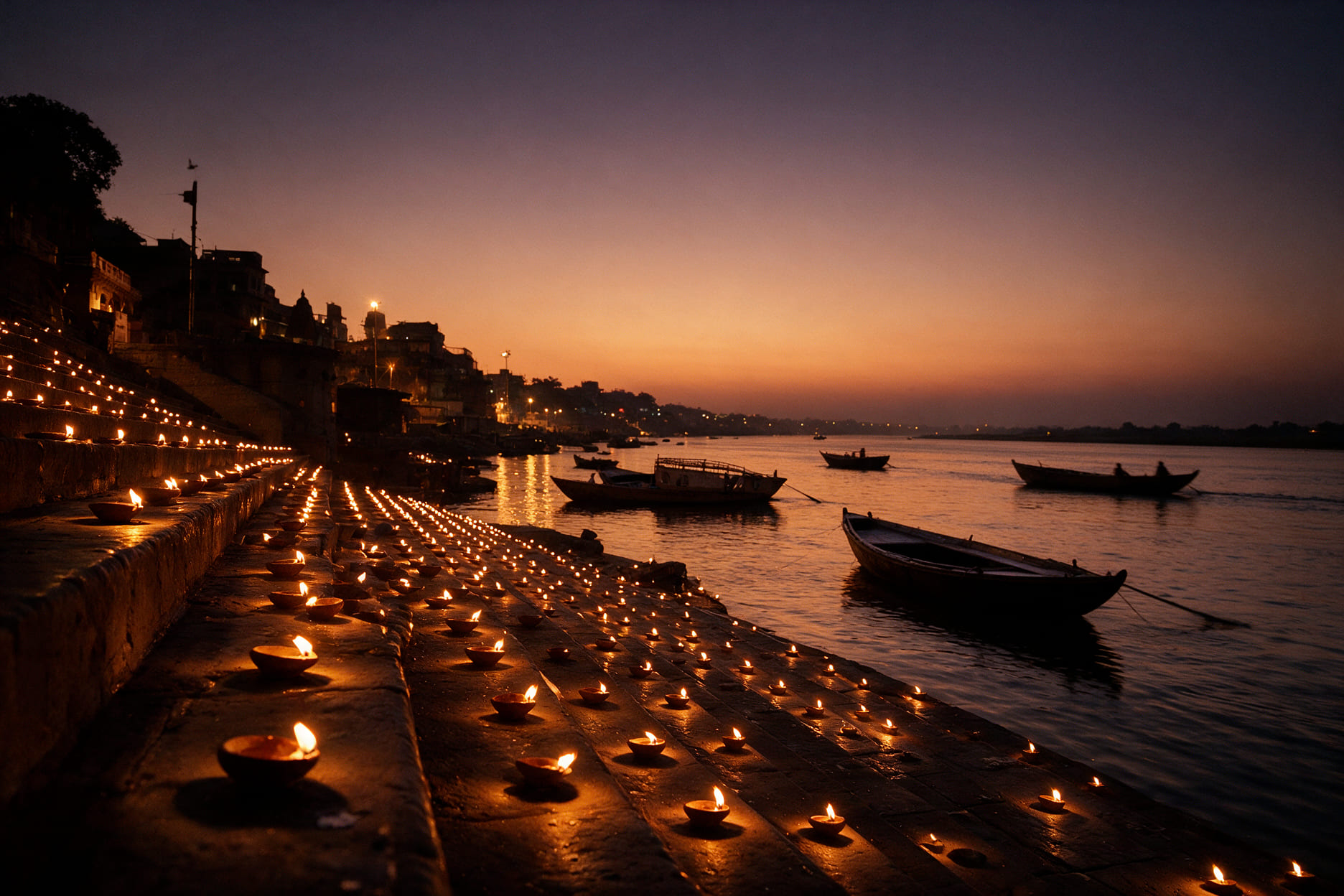
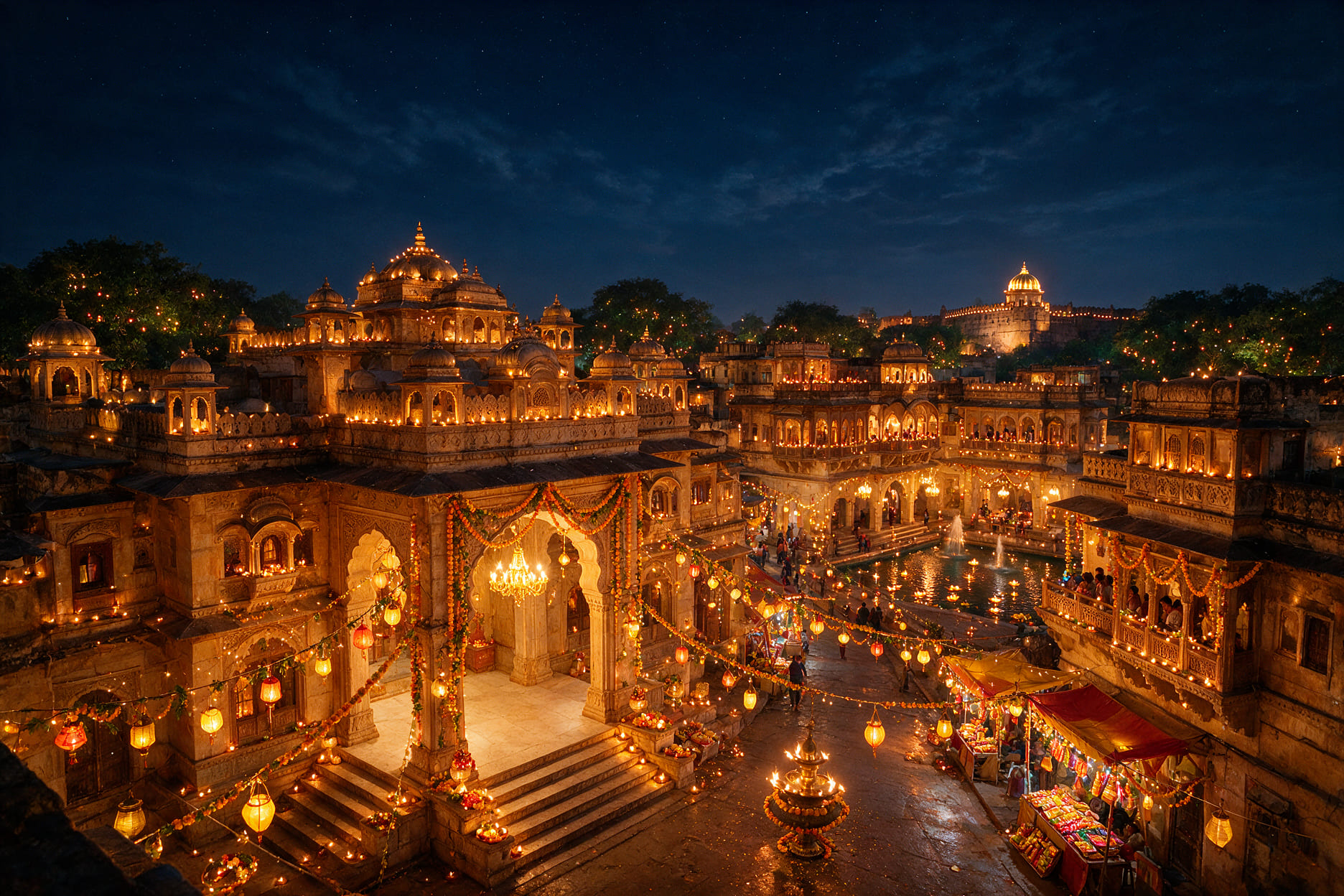
On 24 November the lamps run along the full sweep of the riverfront, so the decision is about crowd tolerance rather than scenery. The central ghats around Dashashwamedh give the ceremonial heart and the heaviest congestion. Assi and the newer Namo Ghat at the northern end offer more room and an easier approach.
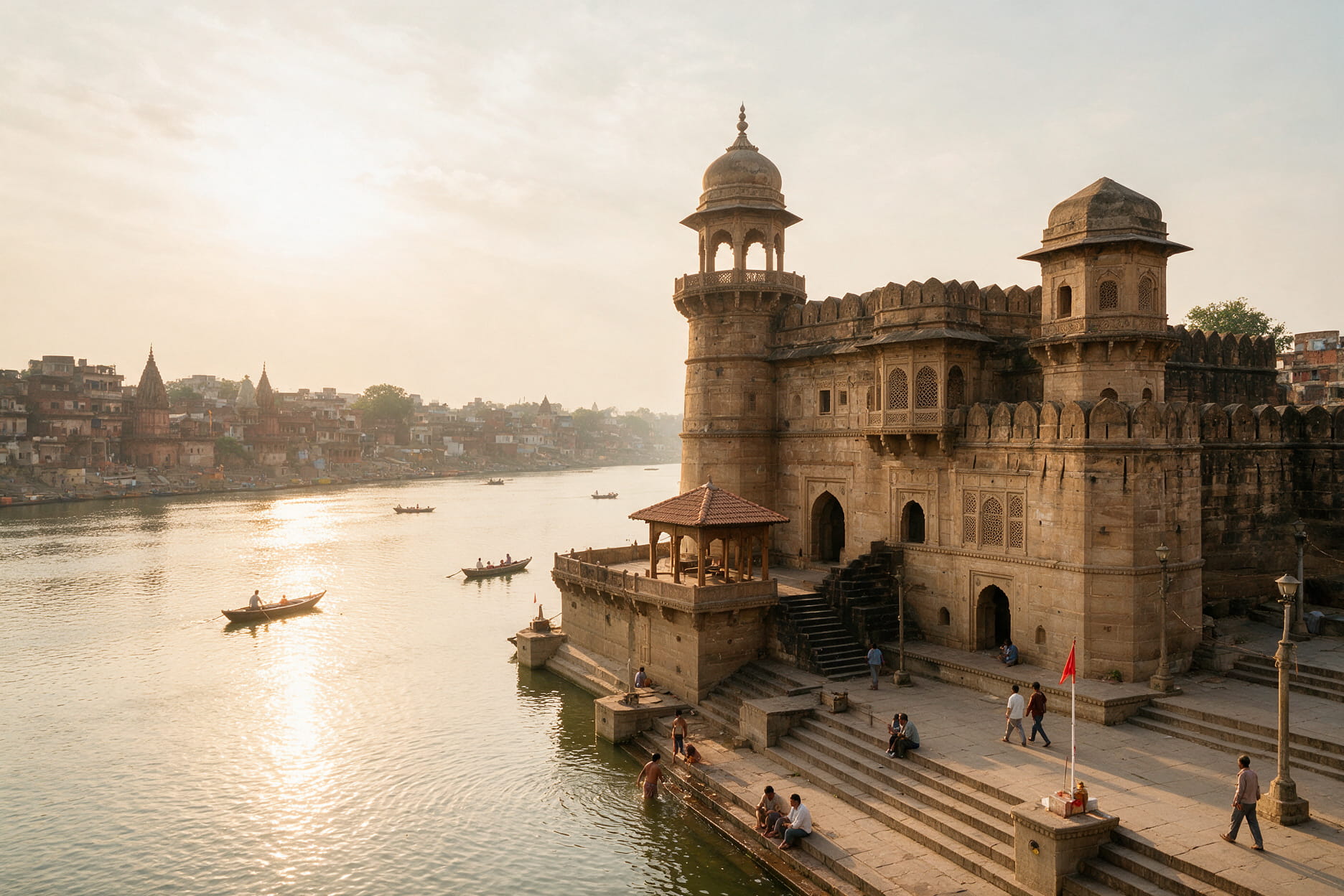
Chet Singh Ghat is recognisable by the fort wall rising from the steps, and the city has used it for light displays in recent years. Programmes are announced close to the date, so confirm rather than assume. Manikarnika remains a working cremation ghat throughout and is not a viewing point.
Inside the City: Sites Worth the Daylight Hours
These fill the hours when the riverfront programme has not yet begun, and all sit within the city itself.
- Kashi Vishwanath Dham: the temple complex and its corridor down to the river. Security checks are thorough and queues grow through festival weeks, so early morning is the workable slot.
- Subah e Banaras at Assi Ghat: the morning programme of music and aarti, which is a gentler counterpart to the evening ceremonies and requires no booking.
- Vishwanath Gali: the lane market for Banarasi silk, brassware and sweets. Quality and pricing vary widely, so buy from established shops rather than the first stall.
- Sankat Mochan temple: south of the city centre and considerably calmer than the riverfront temples during festival weeks.
Within an Hour of the City
Two sites sit close enough to fold into a half day without disturbing an evening plan.
Sarnath
Roughly 10 km from the city, where the Buddha delivered his first sermon. The Dhamek Stupa, the excavated monastic site and the archaeological museum take about half a day together, and the grounds are quiet even when the ghats are full.
Ramnagar Fort
About 14 km away on the eastern bank, an eighteenth century fort with a museum of royal collections including vintage vehicles and old weaponry. The approach slows considerably in festival traffic, so treat it as a morning outing rather than a late afternoon one.
Half Day Trips Beyond the City Limits
These need a hired car or a bus connection and a committed half day, but they take you into the Vindhyan landscape south of the Ganga.
Chunar Fort
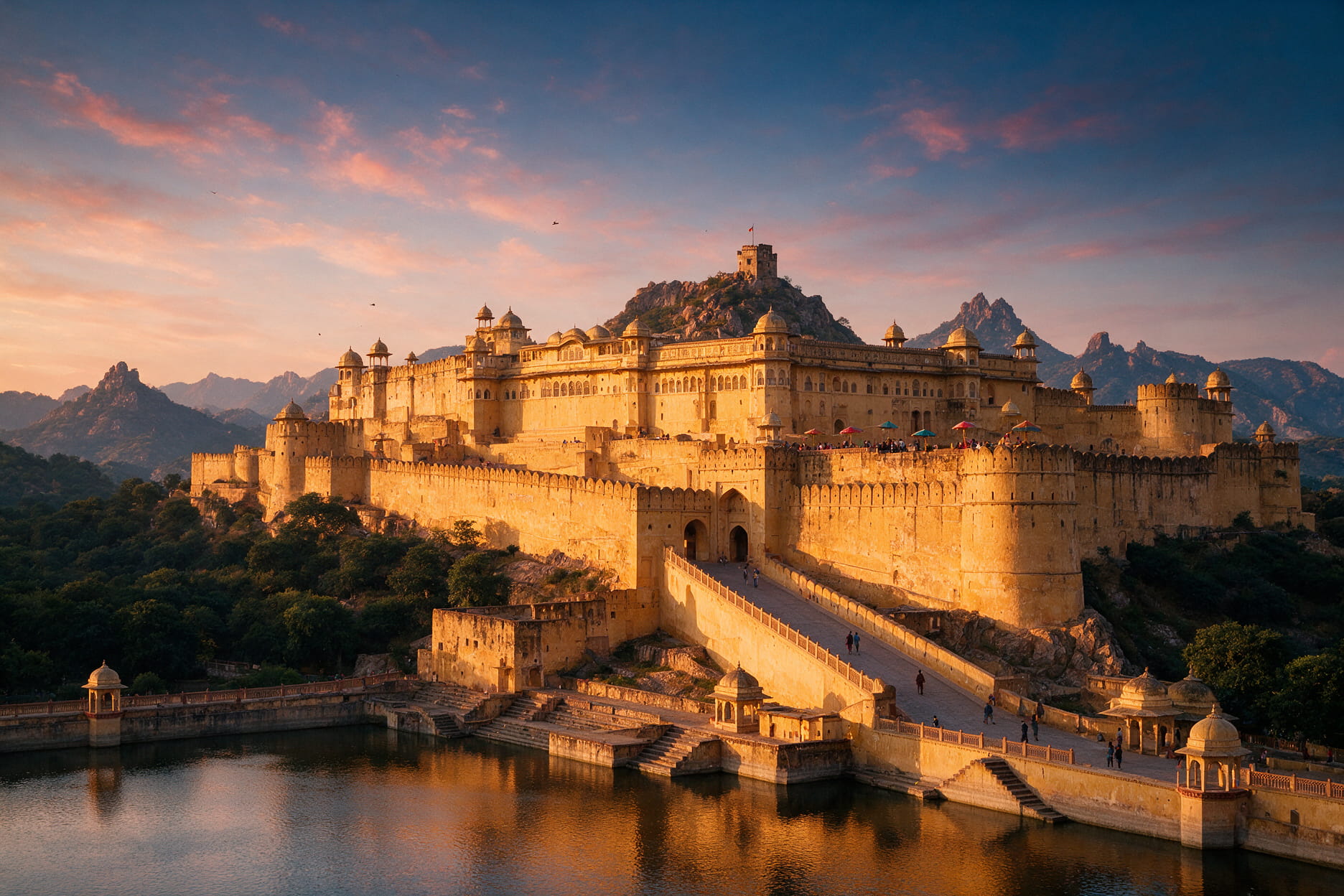
Roughly 35 to 40 km by road, standing on a rocky spur above the Ganga in Mirzapur district. The fort has passed through Sher Shah Suri, the Mughals, the Nawabs of Awadh and the British, and the views over the river from the ramparts are the reason to make the trip. The town below is known for its sandstone and pottery.
Vindhyachal
About 65 to 70 kilometres away, one of the Shakti Peeth sites and a working pilgrimage town rather than a tourist one. The Vindhyavasini temple is the main draw, with the Ashtabhuja and Kali Khoh temples on the hill above. Kartik is a busy month here too, so early mornings are considerably easier.
A Full Day Further Out
Prayagraj sits roughly 120 to 125 km west, where the Ganga and Yamuna meet at the Sangam. It works as a full day trip from Varanasi and is a natural pairing for anyone already travelling for the Kartik observances, since the Sangam draws its own pilgrim traffic through the same month.
| Destination | Approximate distance from Varanasi | Time to set aside |
| Sarnath | 10 km | Half day |
| Ramnagar Fort | 14 km | Two to three hours |
| Chunar Fort | 35 to 40 km | Half day |
| Vindhyachal | 65 to 70 km | Half to full day |
| Prayagraj | 120 to 125 km | Full day |
Note: Distances are by road and vary with the route taken, so confirm against a live map on the day. In the week around 24 November, add a generous margin to every estimate, because traffic near the river reshapes the whole city.
Reaching Varanasi and Moving Around in This Season
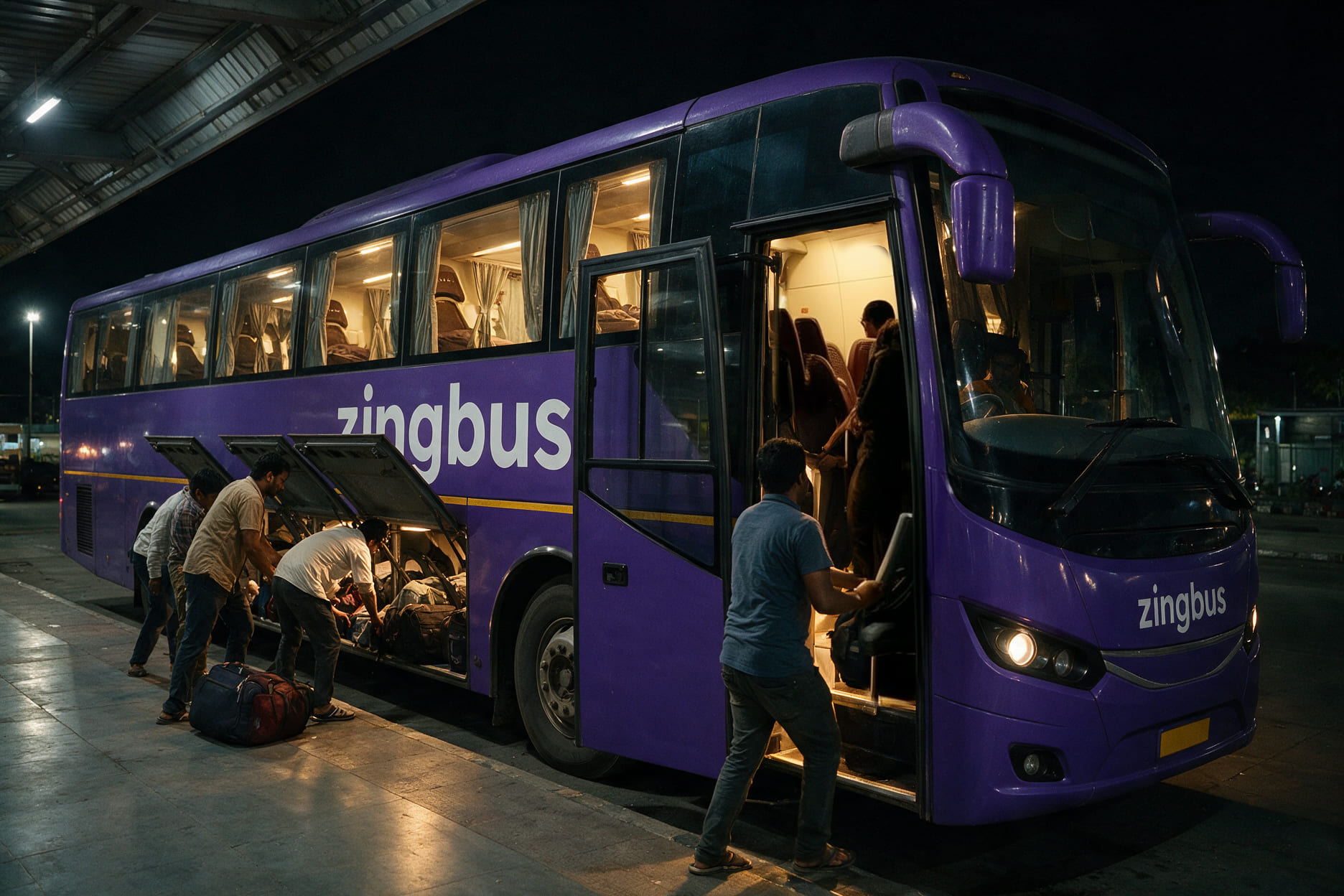
From the capital, the Delhi to Varanasi bus route covers around 807 km in roughly 12 hours and 20 minutes, with fares on the corridor listed from about Rs 1,829 depending on coach and date. From within the state.
Note: Prices are approximate and may vary based on season, demand, and availability.
Intercity buses generally use the Varanasi Cantt area, which sits several kilometres from the riverfront and needs an auto or taxi for the last stretch. Within the city, the practical rule in this season is to keep the ghats for mornings and evenings and the outlying sites for the middle of the day, when riverfront access is at its most restricted.
What the Kartik Season Covers in and Around Kashi
Chhath runs from 13 to 16 November 2026 with the main Sandhya Arghya on Sunday, 15 November. Dev Deepawali follows on Tuesday, 24 November, on Kartik Purnima, when the riverfront ghats carry lakhs of lamps.
This guide moves outward from the river in distance bands, covering ghats, city sites and day trips within reach. Current connections to the city are listed on the Varanasi bus booking page.
Building a Kartik Trip That Uses the Whole Day
A trip planned only around one lit evening leaves most of its hours unspent. The stronger version fixes the festival night first, then fills the surrounding days outward from the river: the city in the early mornings, Sarnath or Ramnagar in the middle hours, and Chunar or Vindhyachal on whichever day has no evening commitment.
Book accommodation and the return journey well ahead for either window, since both Chhath and Kartik Purnima draw large numbers into the same few streets. The sites beyond the city are the part of this trip nobody else is competing for.
You Might Also Like
Places to Visit in Varanasi: Ghats, Temples and Street Food
The full city guide for travellers who want more depth inside Varanasi itself.
Best Time to Visit Varanasi 2026
Season by season comparison if you are weighing Kartik against other months.
Frequently Asked Questions
When is Dev Deepawali in Varanasi in 2026?
Dev Deepawali in Varanasi falls on Tuesday, 24 November 2026, on Kartik Purnima, which is roughly a fortnight after Diwali on 8 November.
When is Chhath in Varanasi in 2026?
Chhath runs from 13 to 16 November 2026, with the evening arghya on Sunday, 15 November and the sunrise arghya on Monday, 16 November.
Which are the main Varanasi Dev Deepawali places to visit?
The main Varanasi Dev Deepawali places to visit are the central ghats around Dashashwamedh, plus Assi and Namo Ghat for more space and easier access.
Which ghat is best for watching Chhath in Varanasi?
Assi Ghat suits Chhath viewing because it has space for family gatherings, while Adalat Ghat and the northern stretches hold quieter congregations.
How far is Sarnath from Varanasi?
Sarnath is approximately 10 km from Varanasi and needs about half a day for the stupa, the excavated monastic site and the museum.
Is Chunar Fort worth a day trip?
Chunar Fort is worth a half day trip at roughly 35 to 40 km, mainly for its position above the Ganga and the river views.
How far is Vindhyachal from Varanasi?
Vindhyachal is about 65 to 70 km from Varanasi and functions as a pilgrimage town, so early mornings are far easier than afternoons.
Can Prayagraj be done as a day trip?
Prayagraj can be done as a full day trip at roughly 120 to 125 km, with the Sangam being the main reason to make the journey.
Is photography allowed during Chhath rituals?
Photography is generally accepted from a respectful distance, though flash during the arghya is intrusive and standing at the waterline is best avoided.
Where do intercity buses stop in Varanasi?
Intercity buses generally use the Varanasi Cantt area, several kilometres from the ghats, so plan an auto or taxi for the final stretch.
Is November a comfortable month for sightseeing here?
November is among the most comfortable months in this region, with cool mornings and mild afternoons that suit long walking and day trips.
How early should I reach the ghats on Kartik Purnima?
Reach the ghats two to three hours before sunset on Kartik Purnima, since vehicle access tightens and the final approach is on foot.
Should I plan city sites or day trips around the festival evening?
Keep the ghats for mornings and evenings and use the middle of the day for Sarnath, Ramnagar, Chunar or Vindhyachal instead.