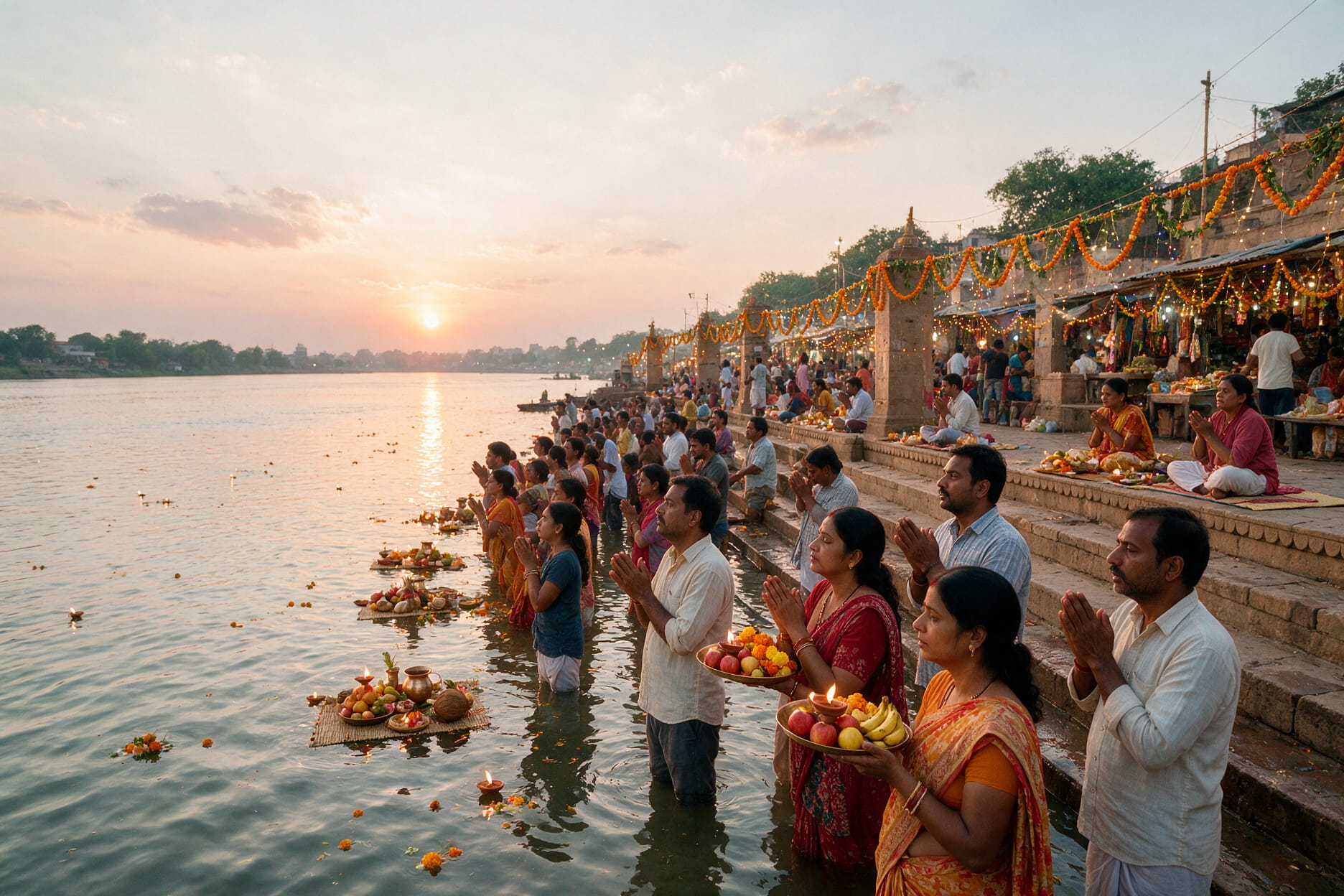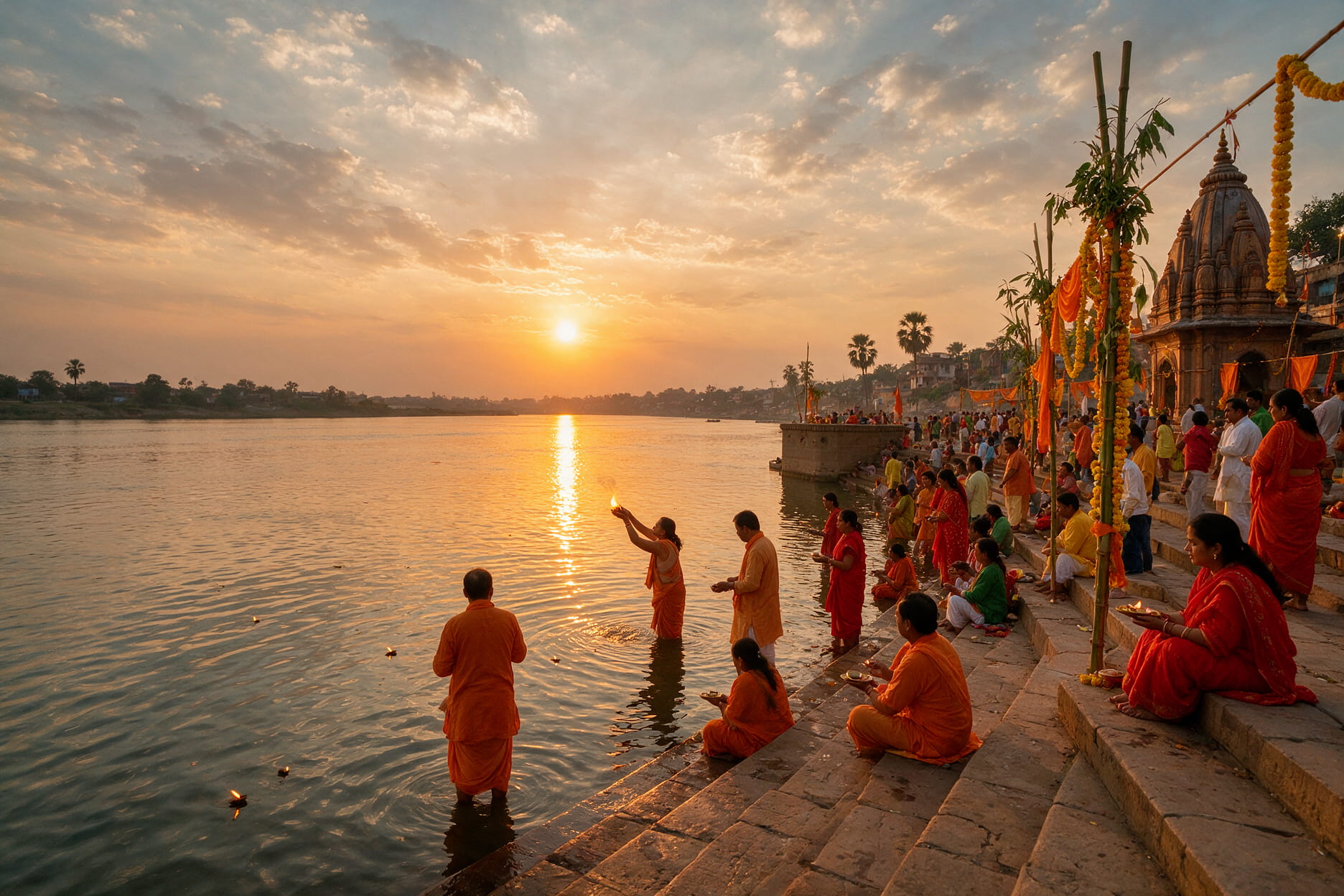
No other city in India experiences Ganesh Chaturthi the way Mumbai does. What Lokmanya Bal Gangadhar Tilak transformed from a private household ritual into a mass public movement in 1893 has grown into a 10-day festival involving nearly 200,000 idol installations, millions of pilgrims, and a collective energy that the city sustains for over a week. In 2025, the Maharashtra government officially declared the Sarvajanik Ganeshotsav the State Festival of Maharashtra. The mumbai ganesh chaturthi celebration is not a local event you observe from a distance. It surrounds you completely.
In 2026, the festival runs from Monday, September 14 to Friday, September 25, Anant Chaturdashi. The Monday start and Friday finish create two natural long weekends at either end, making this one of the better years to plan a trip to Mumbai for the festival. Book your Mumbai bus on zingbus early — the September 12 to 14 and September 25 to 27 windows will see heavy demand from Pune, Nashik, and other nearby cities.
Best Places to Visit in Mumbai for Ganesh Chaturthi 2026
This guide covers the eight most significant pandals in the city, the Siddhivinayak temple, the visarjan experience, and the practical details you need to make the most of the festival. Each pandal is different in character and history. Between them they cover everything the mumbai ganesh chaturthi celebration actually is.
Ganesh Chaturthi 2026: Dates and Festival Window
The festival begins on Ganesh Chaturthi, Monday, September 14, 2026. The auspicious Madhyahna Sthapana muhurat for idol installation runs from approximately 11:02 AM to 1:31 PM. Households and mandals install idols at this time, marking the official start of Ganeshotsav.
The 10-day festival concludes on Anant Chaturdashi, Friday, September 25, 2026, with the grand visarjan. This is when the largest idols, including Lalbaugcha Raja, are carried in procession to immersion points across the city.
Two travel windows to plan around:
- September 12 to 14 (Friday to Monday): Arrive for the festival’s opening days, when newly installed idols are at their most decorated and the first major darshans draw enormous first-day crowds.
- September 25 to 27 (Friday to Sunday): Arrive for Anant Chaturdashi itself, when the processions and visarjan at Girgaon Chowpatty mark the emotional close of the festival.
Staggered visarjans happen at 1.5, 3, 5 and 7 days for smaller household idols, so the city’s energy builds progressively across all 10 days.
The South Mumbai Pandal Trail: Lalbaug, Girgaon and Khetwadi
South Mumbai is where the festival began and where its most historically significant pandals still operate. These can be covered in a single long day on foot and by local train, making the South Mumbai loop the essential Ganesh Chaturthi itinerary.
Lalbaugcha Raja
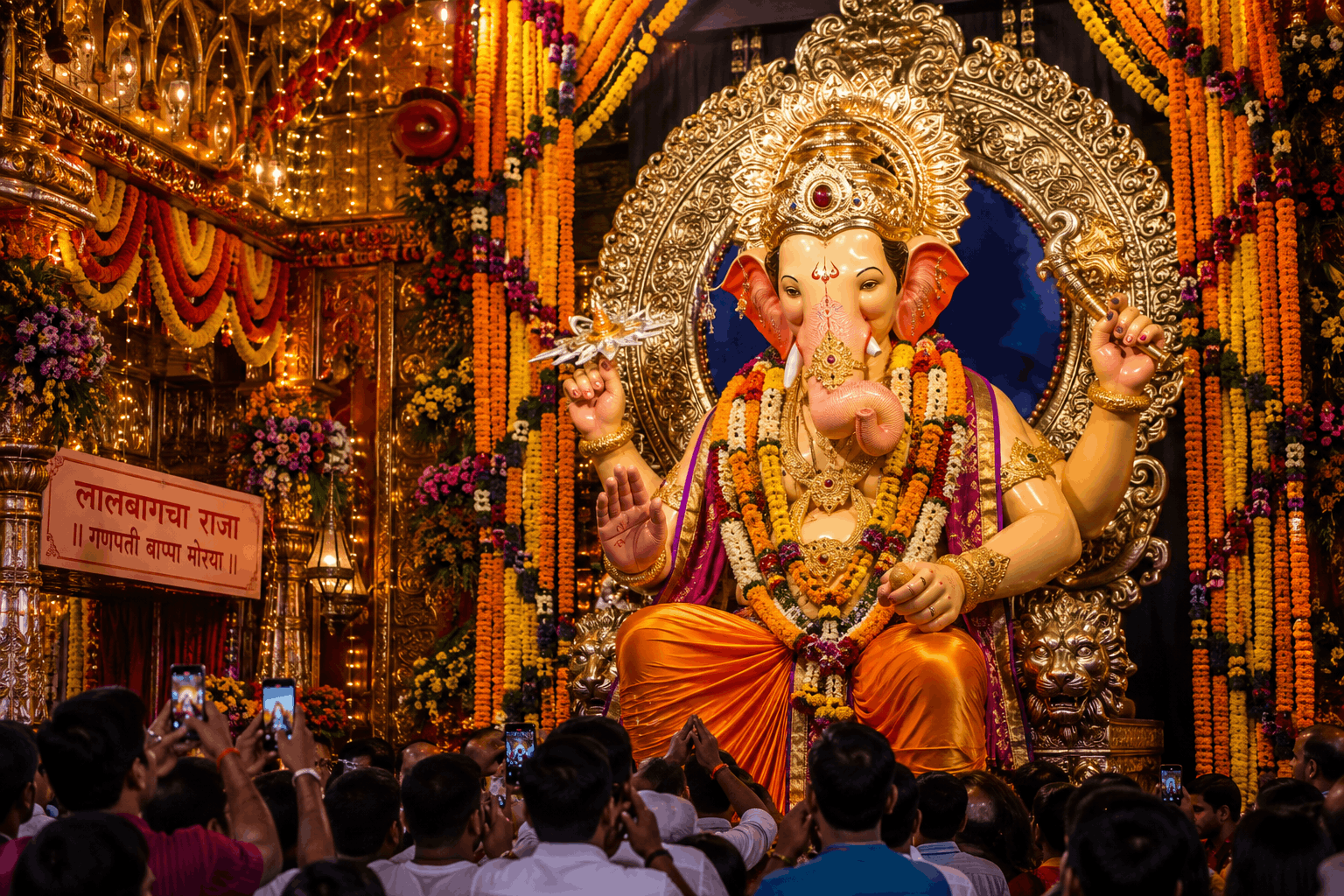
Lalbaugcha Raja is Mumbai’s most famous pandal and the one most people travel specifically to see. The mandal was established on September 12, 1934, by Koli fishermen and market workers at Lalbaug Market, who made a vow to Ganesha for a permanent marketplace. The idol has since been known as Navsacha Ganpati, the wish-fulfilling Ganesha, and the belief in its power draws an estimated 1.5 million pilgrims daily during the festival’s peak days.
Two darshan queues operate. The Navsachi line, which allows devotees to climb the stage and touch the deity’s feet, can take 25 to 40 hours of waiting. The Mukh Darshan line, for viewing from a distance, typically runs several hours and is the practical choice for most visitors. Both are free. No VIP or paid ticket system exists here.
The idol, sculpted by the Kambli family across generations, is unveiled in a widely watched Mukh Darshan ceremony a few days before the main festival date. A live stream runs on lalbaugcharaja.com and the mandal’s YouTube channel for those who cannot attend.
Nearest Stations: Chinchpokli, Byculla (Central), Lower Parel, Currey Road.
Ganesh Galli Mumbaicha Raja
Established in 1928, Ganesh Galli Mumbaicha Raja sits a short walk from Lalbaugcha Raja, making the two easy to combine in the same morning. It is one of Mumbai’s oldest surviving pandals and is celebrated for elaborate themed structures that recreate famous Indian temples each year, from Kedarnath to the Golden Temple to Rameshwaram. In 1977 it installed a 22-foot idol, then the tallest in Maharashtra. The mandal is among the oldest institutional Ganesh celebrations in the city.
Chinchpoklicha Chintamani
This pandal, founded in 1920, turns 106 years old during Ganesh Chaturthi 2026. It is one of the three oldest surviving public pandals in Mumbai, established during the freedom struggle by a small group of locals from the Chinchpokli neighbourhood. Its name translates as “the one who removes worries,” and its atmosphere is quieter and more devotional than the larger Lalbaug pandals nearby. A good choice for those who want darshan without the scale of Lalbaugcha Raja’s queues.
Nearest station: Chinchpokli (Central).
Raja Tejukayacha
Run by the Tejukaya Sarvajanik Ganeshotsav Mandal, founded in 1967, Raja Tejukayacha has held a Guinness World Record since 2019 as the world’s largest eco-friendly Ganesha idol. Its roughly 22-foot idol is made from paper, natural gum, coconut husk and natural colours. For the environmentally conscious visitor, this is the standout pandal in Lalbaug.
Girgaoncha Raja and Khetwadicha Ganraj
Girgaon and Khetwadi, both near Charni Road and Grant Road stations, offer two distinct experiences.
Girgaoncha Raja marks its 99th year in 2026. Its 21-foot idol is made from shaddu, a natural clay mix, which earned it recognition in 2024 as the tallest natural-clay Ganesha idol in India. It is also where Keshavji Naik Chawl operates the city’s oldest public Ganpati, established in 1893 itself, the original Tilak-era sarvajanik utsav. The idol is a modest two feet tall and has been installed without interruption for 133 years.
Khetwadi hosts over a dozen pandals within its network of narrow lanes, the most famous being the 12th Khetwadi Sarvajanik Ganeshotsav Mandal (established 1959), which was the first in Mumbai to install a 40-foot idol. Walking through Khetwadi’s lanes during the festival is an experience in itself.
Nearest Stations: Charni Road, Grant Road.
Beyond South Mumbai: GSB King’s Circle and Andhericha Raja
Beyond the traditional South Mumbai circuit, these two pandals offer very different experiences, from GSB’s rich rituals to Andhericha Raja’s distinctive western suburban legacy.
GSB Seva Mandal, King’s Circle
The GSB Seva Mandal pandal in Matunga is in a category of its own. Founded in 1954 by the Gowd Saraswat Brahmin community, it is known as India’s richest Ganesh pandal. The idol is adorned with more than 69 kilograms of gold ornaments and over 336 kilograms of silver. In 2025, the mandal’s insurance policy reached a reported ₹474.46 crore, updated annually.
What distinguishes GSB from the larger pandals is its atmosphere. Rigvedic rituals are performed live with temple instruments rather than recorded music. Mass annadaan (community meals) are offered to all visitors. The pandal runs from September 14 to 18 in 2026.
A strict dress code applies. Visitors above the age of 12 wearing shorts, low-waist jeans or short T-shirts are not permitted entry. Book a pooja or darshan slot online via the mandal’s official portal with QR-code e-receipts.
Nearest Station: King’s Circle, Matunga (Harbour Line).
Andhericha Raja
Established in 1966 by workers relocated from Lalbaug, Andhericha Raja is the defining pandal of the western suburbs. Like Lalbaugcha Raja, it is considered a wish-fulfilling Ganesha. Its most distinctive feature is timing: the idol is not immersed on Anant Chaturdashi but on Sankashti Chaturthi, five days later, a tradition maintained since 1975. This makes the Andheri procession and immersion a separate, equally significant event.
For 2026, the pandal’s theme is a recreation of the Ram Mandir in Ayodhya. The procession route runs from Azad Nagar through Andheri Market to 7 Bungalows and down to Versova Beach, one of the longest visarjan processions in the country.
Nearest: Andheri station, Azad Nagar Metro.
Siddhivinayak Temple: Mumbai’s Permanent Ganesha Shrine
The Shree Siddhivinayak Ganapati Mandir in Prabhadevi is approximately 200 years old and is one of India’s most visited Ganesha temples throughout the year. The deity is distinguished by a right-tilted trunk, considered especially auspicious. Ganesh Chaturthi is the temple’s most significant period, with extended near-continuous darshan from pre-dawn and evening aartis at 7:30 PM that draw the largest daily gatherings.
Unlike the festival pandals, Siddhivinayak runs a paid VIP darshan system via the official temple trust website. Book a slot in advance for September 14 to 16 if you want a manageable queue.
Nearest Station: Dadar (Western and Central Lines), Prabhadevi (Western Line).
The Visarjan: What Happens When Mumbai Says Goodbye
The visarjan on Anant Chaturdashi, Friday September 25, 2026, is the emotional peak of the mumbai ganesh chaturthi celebration. Large sarvajanik mandals, including Lalbaugcha Raja, begin their processions midday and reach Girgaon Chowpatty in the early hours of the following morning.
The processions move through South Mumbai with dhol-tasha-zanj pathaks, the Maharashtrian percussion troupes whose massed drumming defines the festival’s sound. Entire streets fill with dancing, chanting of “Ganpati Bappa Morya, Pudhchya Varshi Lavkar Ya,” and a collective goodbye that has no real equivalent elsewhere in Indian festival culture.
Best Spots to Watch: The Lalbaug to Parel stretch for the big idols setting out, and Girgaon Chowpatty for the final immersion. Arrive at Chowpatty by 10 PM if you want a position. The BMC organises an extensive network of artificial ponds across the city for eco-friendly immersion, with 290 such ponds operational in 2025.
The Cultural Layer: Dhol, Modak and What Else to Experience
The festival runs cultural programmes at most major pandals across all 10 days. Daily aartis, bhajans, classical concerts, folk-dance competitions and theatre are standard. Many mandals host community meals. Some of the most powerful experiences have nothing to do with darshan: standing in a Khetwadi lane while a dhol-tasha pathak passes at full volume is something most visitors remember distinctly.
Modak, the steamed rice-flour dumpling stuffed with coconut and jaggery, is Ganesha’s favourite offering and the food most associated with the festival. Well-regarded spots for ukadiche modak include Panshikar (operating since 1921, outlets in Girgaon and Vile Parle, approximately ₹75 for five), Aaswad in Dadar near Shivaji Park, and Chandu Halwai for mawa variants.
How to Reach Mumbai for Ganesh Chaturthi 2026
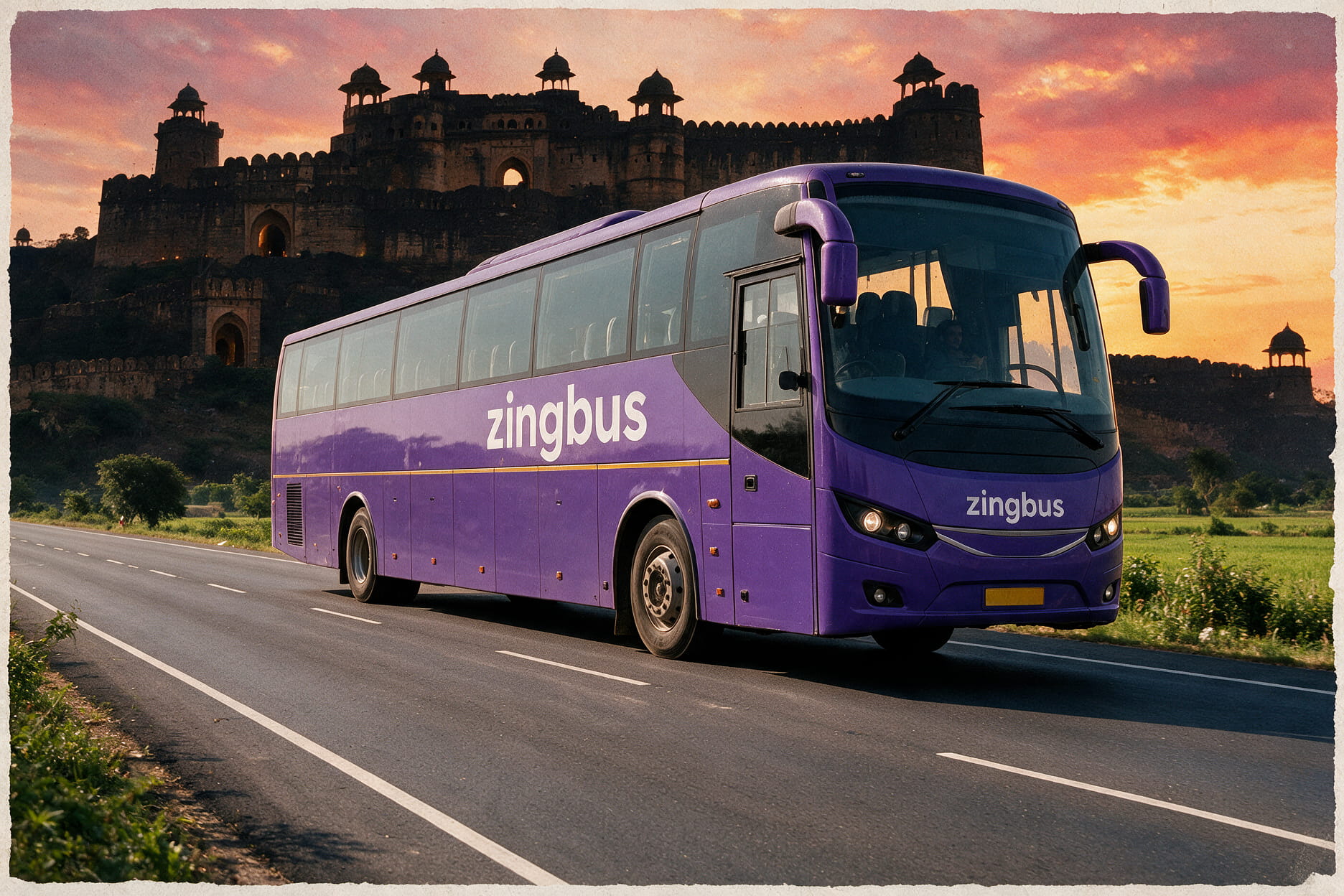
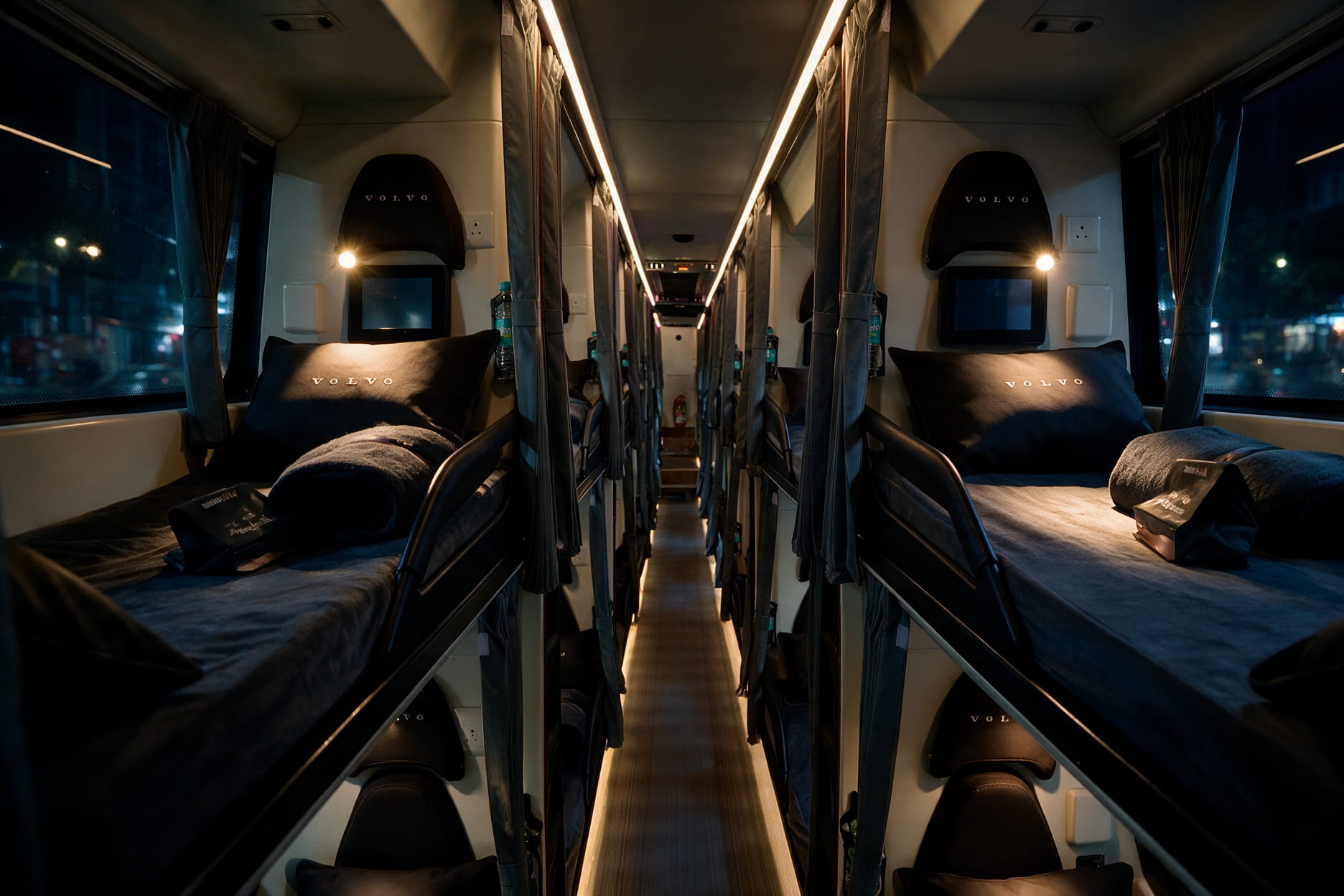
zingbus connects Mumbai to Pune, Nashik, Goa, Kolhapur, Lonavala and other cities with AC sleeper coaches.
From Pune, the Pune to Mumbai bus on zingbus covers approximately 137 km via the Mumbai-Pune Expressway in around 2.5 hours. Fares start from approximately ₹377. Pune is the single most popular origin point for Ganesh Chaturthi visitors to Mumbai; book this route at least 10 to 14 days ahead for the September 12 to 14 and September 25 to 27 windows.
From Nashik, the Nashik to Mumbai bus covers approximately 176 km in about 3.5 hours with fares from approximately ₹613. This is zingbus’s highest-frequency Maharashtra corridor with multiple daily departures.
Mumbai boarding and drop points on zingbus include Sion, Andheri East (near the domestic airport), Vashi and Kalamboli in Navi Mumbai.
You Might Also Like
- 25 Must-Visit Places in India: Broader India heritage and festival travel reference covering Mumbai alongside other major bus-connected destinations.
- How to Plan a Road Trip in India: Practical multi-stop planning guidance for anyone combining the Mumbai Ganesh Chaturthi trip with Pune, Lonavala or Shirdi.
- Places to Visit in India in August 2026: August and September festival travel context covering other major celebrations happening around the same period.
Planning Tips for Your Ganesh Chaturthi Mumbai Trip
- Book your zingbus seat 10 to 14 days ahead for the September 12 to 14 and September 25 to 27 windows. Pune and Nashik to Mumbai buses sell out fastest on these dates.
- Visit pandals on weekday mornings between 5 and 8 AM or late at night after 11 PM to avoid the longest queues. Weekends and September 14 itself are the most crowded days of the full 10 days.
- The South Mumbai pandal trail (Lalbaugcha Raja, Ganesh Galli, Chinchpoklicha Chintamani, Raja Tejukayacha, Girgaoncha Raja, Khetwadi) can be covered in a single day using local trains between Chinchpokli, Currey Road, Charni Road, and Grant Road stations.
- GSB Seva Mandal operates only until September 18. If that pandal is on your list, plan your visit in the first five days of the festival.
- Carry a compact raincoat or umbrella. Mid-September is still monsoon season in Mumbai and rainfall is frequent and sometimes heavy.
- Andhericha Raja is not immersed in Anant Chaturdashi. Its immersion happens five days later on Sankashti Chaturthi. If you want to see both Lalbaugcha Raja’s visarjan and Andhericha Raja’s, plan two separate trips.
- For Siddhivinayak darshan, book a VIP slot in advance through the official temple trust website. Walk-in queues on September 14 are extremely long.
- GSB Seva Mandal enforces a formal dress code. No shorts, no low-waist jeans, no short T-shirts for visitors above age 12.
- The Girgaon Chowpatty visarjan crowd on September 25 is enormous. Arrive by 10 PM to find a standing position with a clear view.
- September 14 and September 25 are dry days in Maharashtra. Plan accordingly.
Ganesh Chaturthi Is the Right Reason to Go to Mumbai
Mumbai has Ganesh Chaturthi and Ganesh Chaturthi has Mumbai. The festival exists elsewhere, but nowhere does it carry this density, this history, or this scale. Lalbaugcha Raja alone draws more daily visitors than most Indian cities see in a month of tourism. GSB Seva Mandal has kept the same rituals running without interruption for over 70 years. Keshavji Naik Chawl’s two-foot idol has been installed every single year since 1893, through independence, partition, and every other event that reshaped the country.
The mumbai ganesh chaturthi celebration is 10 days of the city at its most itself. With the festival running from September 14 to 25 in 2026 and two long weekends bracketing the full period, this is a straightforward trip to plan. Book the bus, arrive early, and be at a pandal before 8 AM on the morning you get there. The rest follows from the city itself.
Frequently Asked Questions
When is Ganesh Chaturthi 2026 in Mumbai?
Ganesh Chaturthi 2026 falls on Monday, September 14, with the 10-day festival concluding on Anant Chaturdashi, Friday, September 25.
Which is the most famous pandal in Mumbai for Ganesh Chaturthi?
Lalbaugcha Raja in Lalbaug, established 1934, is Mumbai’s most visited pandal drawing an estimated 1.5 million pilgrims daily during peak days.
How long is the queue at Lalbaugcha Raja?
The Navsachi line to touch the deity’s feet can take 25 to 40 hours; the Mukh Darshan viewing queue typically takes several hours and is the practical option for most visitors.
What is the GSB Seva Mandal Ganesh famous for?
GSB Seva Mandal in King’s Circle, Matunga, is known as India’s richest Ganesh pandal, with the idol adorned in over 69 kg of gold and insured for over ₹474 crore in 2025.
When is the visarjan for Lalbaugcha Raja in 2026?
Lalbaugcha Raja’s procession and immersion at Girgaon Chowpatty takes place on Anant Chaturdashi, Friday, September 25, 2026.
What is the best time to visit pandals to avoid crowds?
Early morning between 5 and 8 AM or late night after 11 PM on weekdays gives the shortest queues; weekends and September 14 are the busiest days of the festival.
How do I reach Mumbai for Ganesh Chaturthi from Pune?
zingbus operates the Pune to Mumbai bus covering approximately 137 km in about 2.5 hours with fares starting from approximately ₹377; book at least 10 to 14 days ahead for the festival weekend windows.
Is September 14 a public holiday in Maharashtra?
Ganesh Chaturthi is a gazetted public holiday in Maharashtra, and September 25, Anant Chaturdashi, is also a holiday; both days are dry days with no alcohol sales permitted.